Showing posts with label WJEC A2 Unit 3. Show all posts
Showing posts with label WJEC A2 Unit 3. Show all posts
Wednesday, 4 November 2020
Calculating the rate equation from initial rates
Watch the following clip to help with understanding how to find the rate equation form experimental data.

Thursday, 22 January 2015
Hydrogen as a fuel - Blue plaque for Swansea scientist Sir William Grove
With oil reserves being depleted, there is a real need to find an alternative fuel source to power vehicles. Could hydrogen be that source?
Hydrogen when burnt in oxygen produces a highly exothermic reaction, producing water as its only product:
The idea of using hydrogen in a fuel cell, whilst being discussed in the news now (January 2015) with Toyota making their patents freely available to companies to help develop technologies, is not a new one. The idea was first developed by Swansea scientist Sir William Grove in 1842! He is now being recognised with a blue plaque, click on the picture for the BBC News article:

Hydrogen is an abundant element with it forming part of water, it is also a major constituent of fossil fuels. It just needs to be separated to make it useful. The following clip discusses how hydrogen could be obtained and why it might be useful, you might have to sign into YouTube to watch it:
In the space of a year Toyota have developed their first hydrogen fuelled concept car:
Some exciting times ahead in the use of fuel cells for many applications! Check out the new Toyota Mirai here.


Hydrogen when burnt in oxygen produces a highly exothermic reaction, producing water as its only product:
hydrogen + oxygen -------> water
H2(g) + O2(g) -------> H2O(g)
We can see the dangers of hydrogen with the impact of the Hindenburg disaster:
Hydrogen is an abundant element with it forming part of water, it is also a major constituent of fossil fuels. It just needs to be separated to make it useful. The following clip discusses how hydrogen could be obtained and why it might be useful, you might have to sign into YouTube to watch it:
The theories of Sir William Grove have been developed over the last century and in 2014 Toyota announced at CES (Consumer Electronics Show - global consumer electronics and consumer technology tradeshow) their developments in hydrogen fuel cell technology:In the space of a year Toyota have developed their first hydrogen fuelled concept car:
Some exciting times ahead in the use of fuel cells for many applications! Check out the new Toyota Mirai here.
Since originally posting in this 2015 (it is now 2020) the development of hydrogen as a fuel seems to have stalled and gone out of the media spotlight with electric cars and hybrids taking centre stage. It appears that Toyota are still pushing on with hydrogen fuel cell technology, but the infrastructure is limited. The pictures below illustrate how limited it is, with the green marks active fuel stations and the red as stations in development.


Monday, 7 April 2014
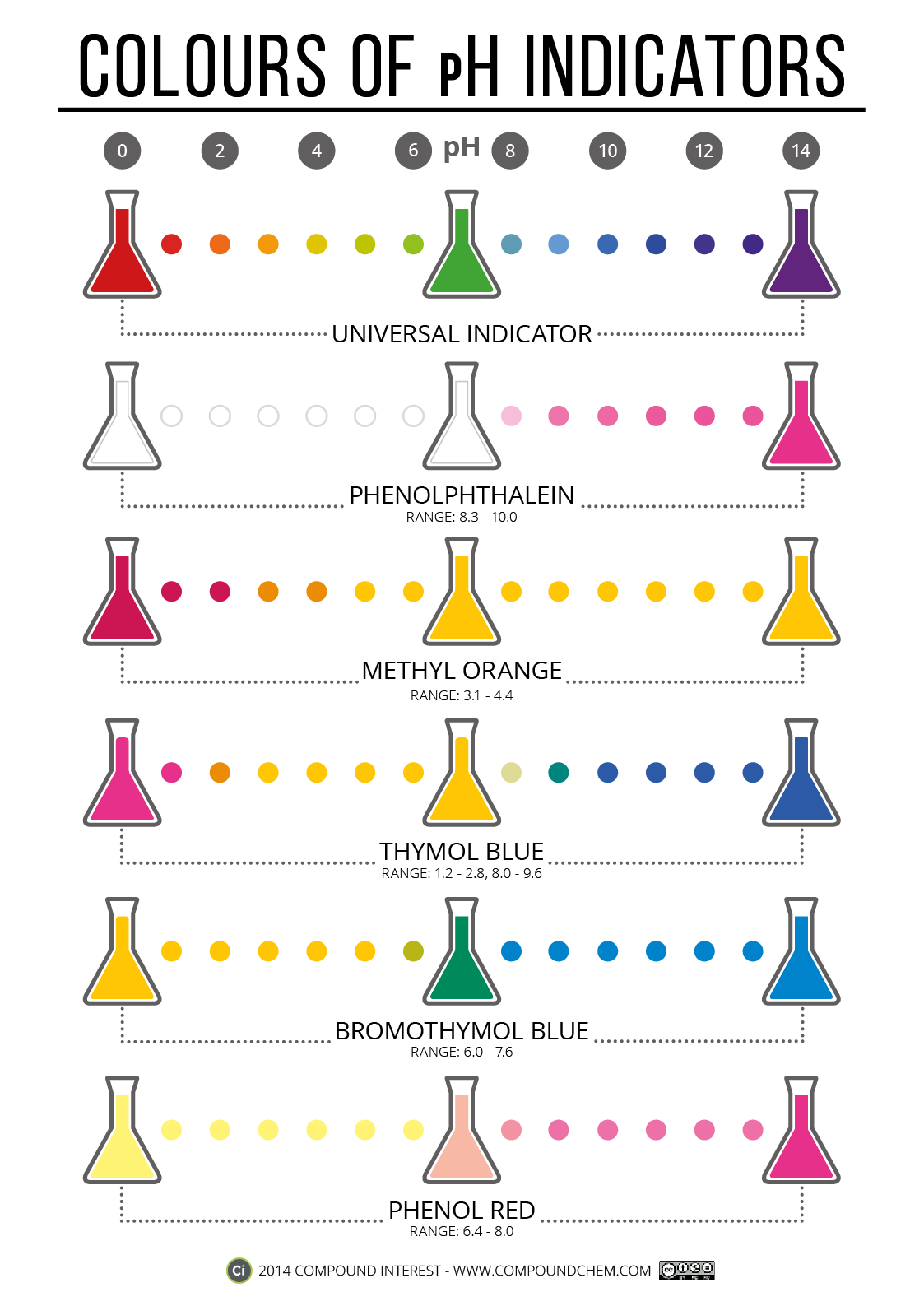
Indicators - Colours and pH ranges
Compound Interest have produced a good poster on Indicators, the colours they are in acid and alkaline solutions, along with the chemistry behind them. click on the picture below to link to Compound Interest's blog.
Subscribe to:
Posts (Atom)